
Insight
Your Google Rankings Jumped Around This Year? You're Not Imagining It
Google shook up its search results twice in 2026. Here's who won, who lost, and what a small business should (and shouldn't) do about it.
The short version
- Google made two major changes to how it ranks websites this year, in March and May, plus several smaller anti-spam updates.
- The pattern was clear: "middleman" websites (directories, comparison and listing sites) and generic content lost ground. Brands, official websites and sources with first-hand knowledge gained.
- That's mostly good news for real businesses, as long as your website shows what makes you real.
- If you dropped, don't panic-edit. Measure properly, fix the right things, and expect recovery to take months, not days.
What's happening
A few times a year, Google makes a big change to the system that decides which websites appear first in search results. Google calls these core updates. They don't target any particular business. Instead, Google re-evaluates the whole web, so some sites rise and others fall.
2026 has been a busy year:
- The March 2026 core update rolled out from March 27 to April 8.
- The May 2026 core update started on May 21 and finished on June 2.
- On top of those, Google ran spam updates in March, June, August and September, aimed at sites using shortcuts like mass-produced content. The September one finished on October 8.
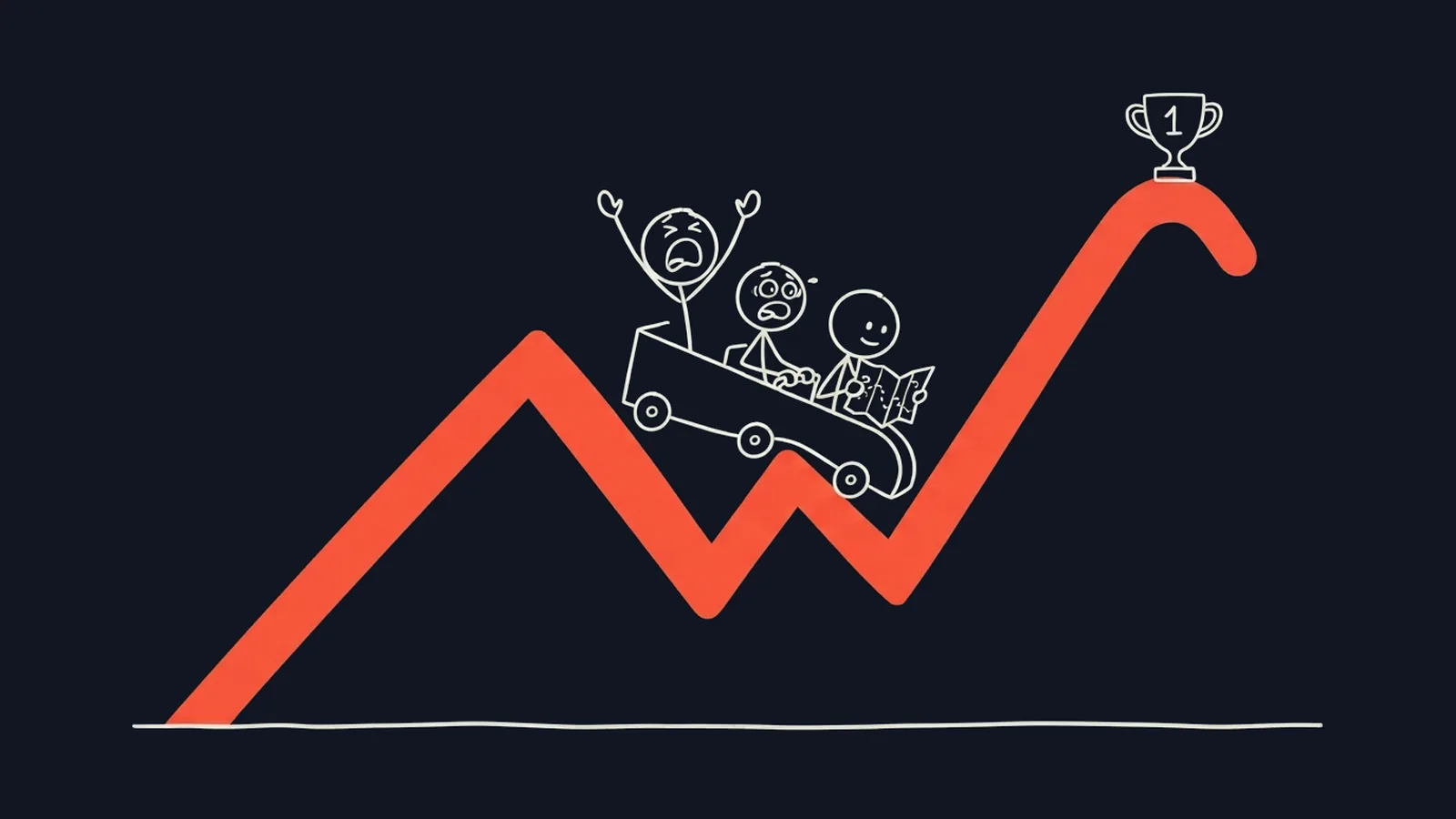
The gap between the March and May updates was just 43 days, much shorter than the four to six months that used to be typical between core updates. If your website traffic felt like a rollercoaster in spring, that's why.
As of mid-October, Google hasn't announced another core update. Some well-known SEO analysts expect one before the end of the year, but that's a prediction, not an announcement.
What people are saying
Middlemen lost, the "real thing" won
Search Engine Land reported that the March update caused far more ranking movement than the previous core update in December 2025. Losses were most common among aggregators, directories and comparison sites. Brands, official websites and data-rich sources gained.
The examples are telling. Job listing sites like ZipRecruiter and Glassdoor slipped, while employers' own career sites rose. In health, broad consumer sites declined while clinical and specialist sources gained.
Online shops were hit hard in some markets
Search Engine Journal covered a SISTRIX analysis of German search results after the March update. It found roughly four losers for every winner, and online shops made up the biggest single group of losers (39 of 134 domains that lost visibility). The winners were mostly official websites and established brands.
May reshuffled the top results
SE Ranking's analysis of the May update found that almost 20% of pages that had been on Google's first page before the update dropped out of the top 100 results entirely afterwards. It also found Reddit now holds nearly five times as many top-three positions as YouTube, as Google leans on real people's experiences for certain searches.
Google's own advice hasn't changed
Google's official guidance on core updates says a drop doesn't necessarily mean anything is "wrong" with your pages, and that nothing in a core update targets specific sites. It also says that pages affected by one core update may not recover until the next one, and that improvements are no guarantee of recovery.
Google recommends waiting at least a full week after an update finishes before analyzing your data. And because Google's AI answers are built on the same ranking systems, a core update can change whether you appear in AI Overviews too, not just in the regular results.
Watch
For a detailed look at real websites that rose and fell in May: Core Roars Back: Google's May 2026 Broad Core Update, Interesting Cases and Findings (YouTube)
What this means for your business
Here's our take.
1. This is your opportunity, if you're a real business. Google is increasingly favoring the original source over the middleman. If you actually provide the service or make the product, you are the original source. The question is whether your website makes that obvious.
2. Thin and copy-paste pages are a liability. Many small business websites have pages that are near-identical: "Plumber in Town A," "Plumber in Town B," and so on, or blog posts written quickly by AI that say what every other site says. These are exactly the kind of pages that tend to lose out in updates like these.
3. Show the humans behind the business. Analysts studying the March winners found that pages showing genuine first-hand experience, real named authors and original examples or data tended to do better than pages that summarize what others say. For a small business, that means real names, real photos, real projects and real results.
4. Don't judge an update in the middle of it. Rankings move a lot during a rollout and for days afterwards. Decisions made on that noise usually make things worse.
What to do this month
- Compare the right dates. In Google Search Console, compare a full week before each update started with a full week starting at least seven days after it finished. Look at individual pages, not just your total traffic, to see exactly what moved.
- Check business results, not just rankings. Did enquiries, calls or sales actually drop over the same period? If not, some of the drop may be in low-value visits.
- Find your thin pages. List pages that are near-duplicates or that say nothing a competitor's page doesn't. Improve them with real detail, merge them, or remove them.
- Prove you're real. Add or refresh your About page, team names and photos, credentials, case studies, before-and-after photos, and genuine customer reviews.
- Avoid shortcuts. Bought links, mass AI-generated articles and "guaranteed ranking" schemes are what Google's spam updates are built to catch.
Not sure what happened to your rankings?
We'll run a free core update check on your website: we compare your Search Console data around each 2026 update, show you which pages moved and why, and give you a short, prioritized fix list. No jargon, no obligation.
Sources
- Google Search Central: Google Search's core updates and your website
- Google Search Central: Optimizing your website for generative AI features on Google Search
- Search Engine Land: March 2026 Google core update more volatile than December — here's what changed
- Search Engine Journal: Google March core update left 4 losers for every winner in Germany
- SE Ranking: Google May 2026 core update analysis
- Truelogic: Google confirms May 2026 core update complete after 12-day volatile rollout
- Digital Applied: Google May 2026 core update: what's rolling out now
- Coalition Technologies: Will another Google core update come after the September 2026 spam update?
- Numinix: October 2026 SEO news and Google algorithm updates
- SEO Kreativ: Google core update: how it works, history and what to check
- B Websites: The March 2026 Google core update
- YouTube: Core Roars Back: Google's May 2026 Broad Core Update, Interesting Cases and Findings